
View Resume
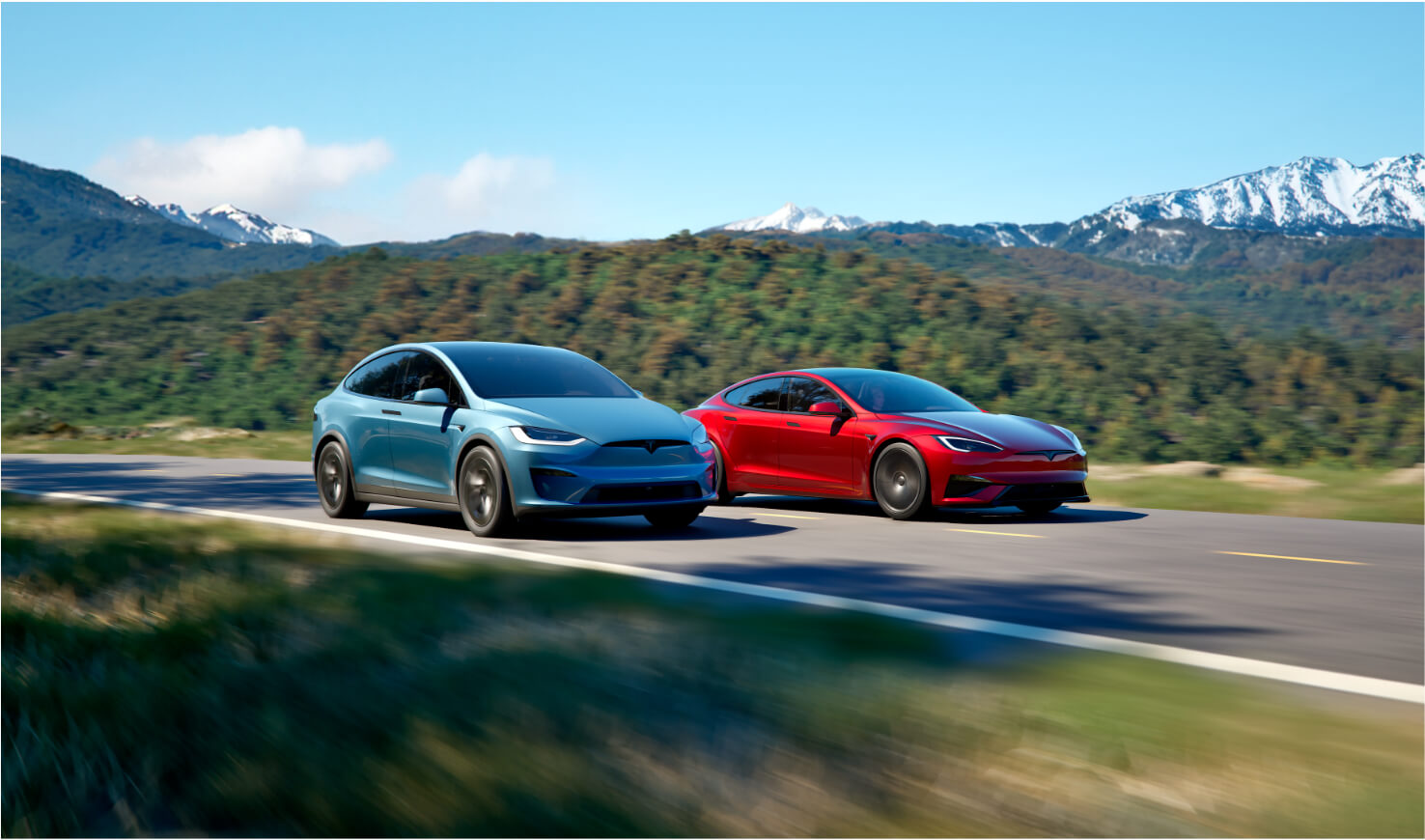
The Drive Inverter team designs the power electronics that deliver hundreds of kilowatts between the batteries and motors of Tesla's vehicles to move them quickly, efficiently, and reliably. As such, I'm working on delivering component designs to ensure system-level performance of the industry's highest production-volume traction inverters.
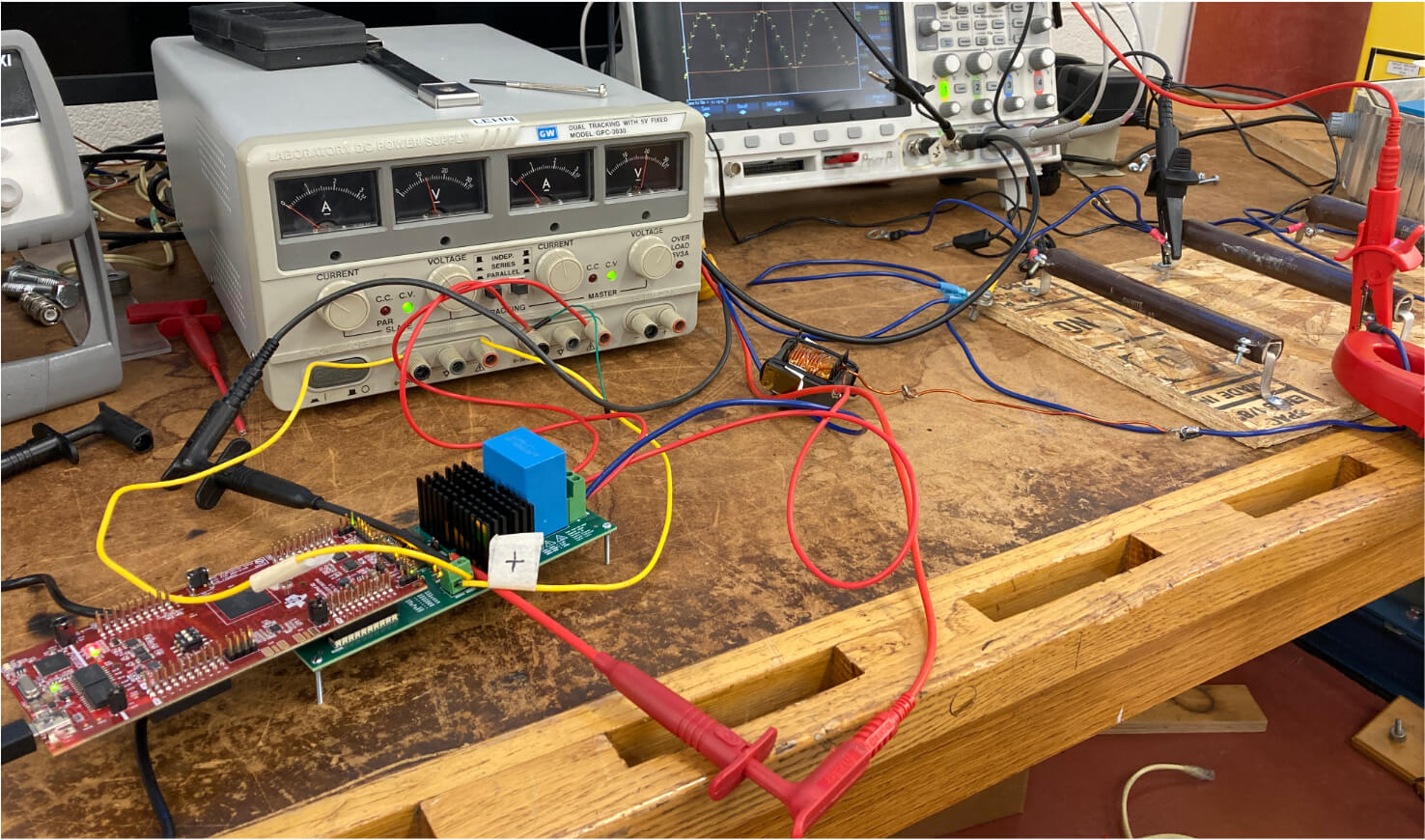
Using LTspice, Altium Designer, and PLECS, I designed a half-bridge converter employing new high-voltage GaN devices. To minimize switching losses and the risk of gate mistriggering/overdriving, I focused on optimizing the design and layout of the level-shifted bootstrap gate driver circuit.

View Project
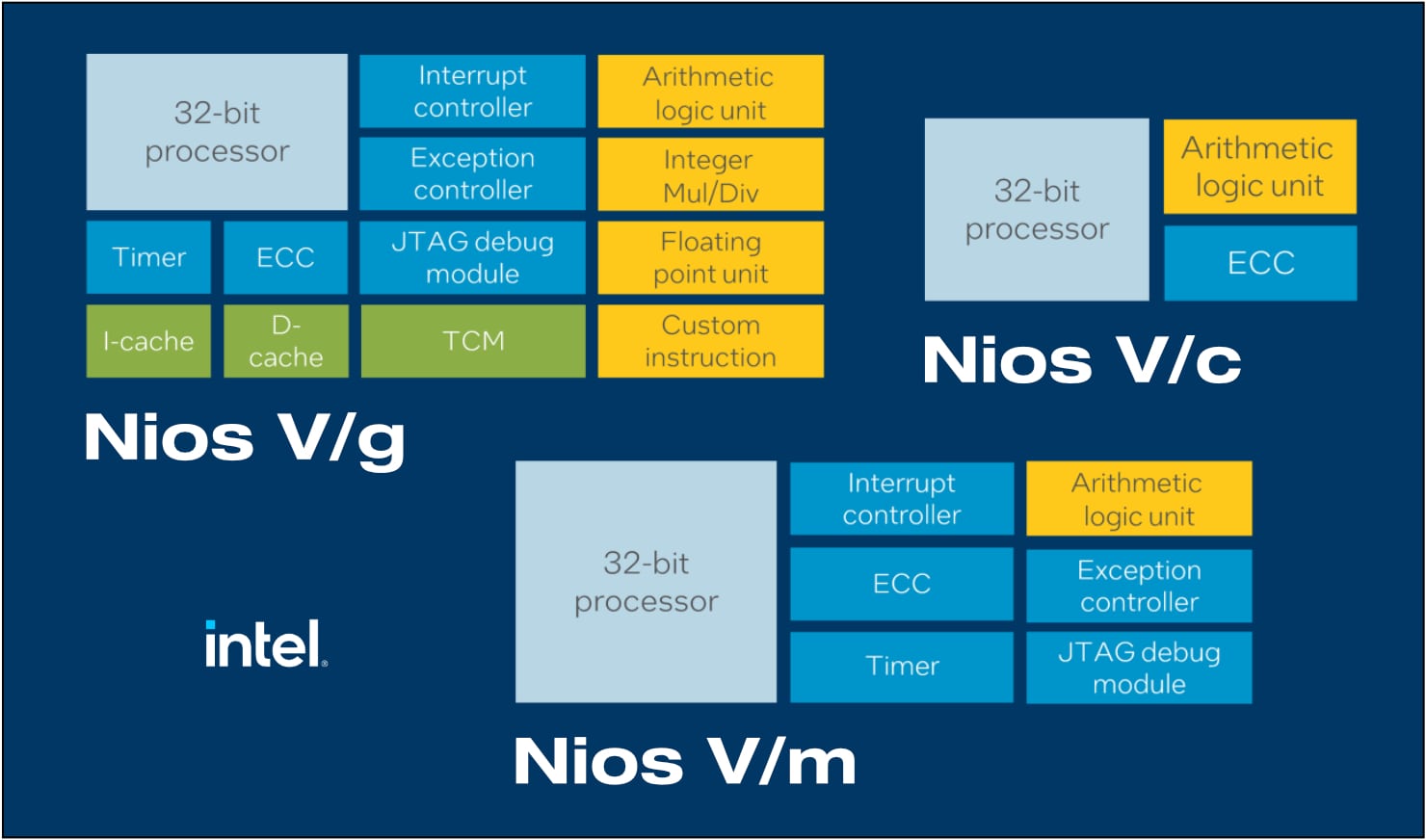
For my PEY co-op, I worked on micro-architectural logic design and verification of Nios V, Intel's RISC-V based embedded processor IP family for FPGAs. I optimized the instruction pipeline, redesigned the hardware for external debug support, and authored numerous functional specifications. By the end, I improved area utilization by 20%, fmax by 20%, IPC by 5%, and debug latency by a factor of 6.

View Product Page
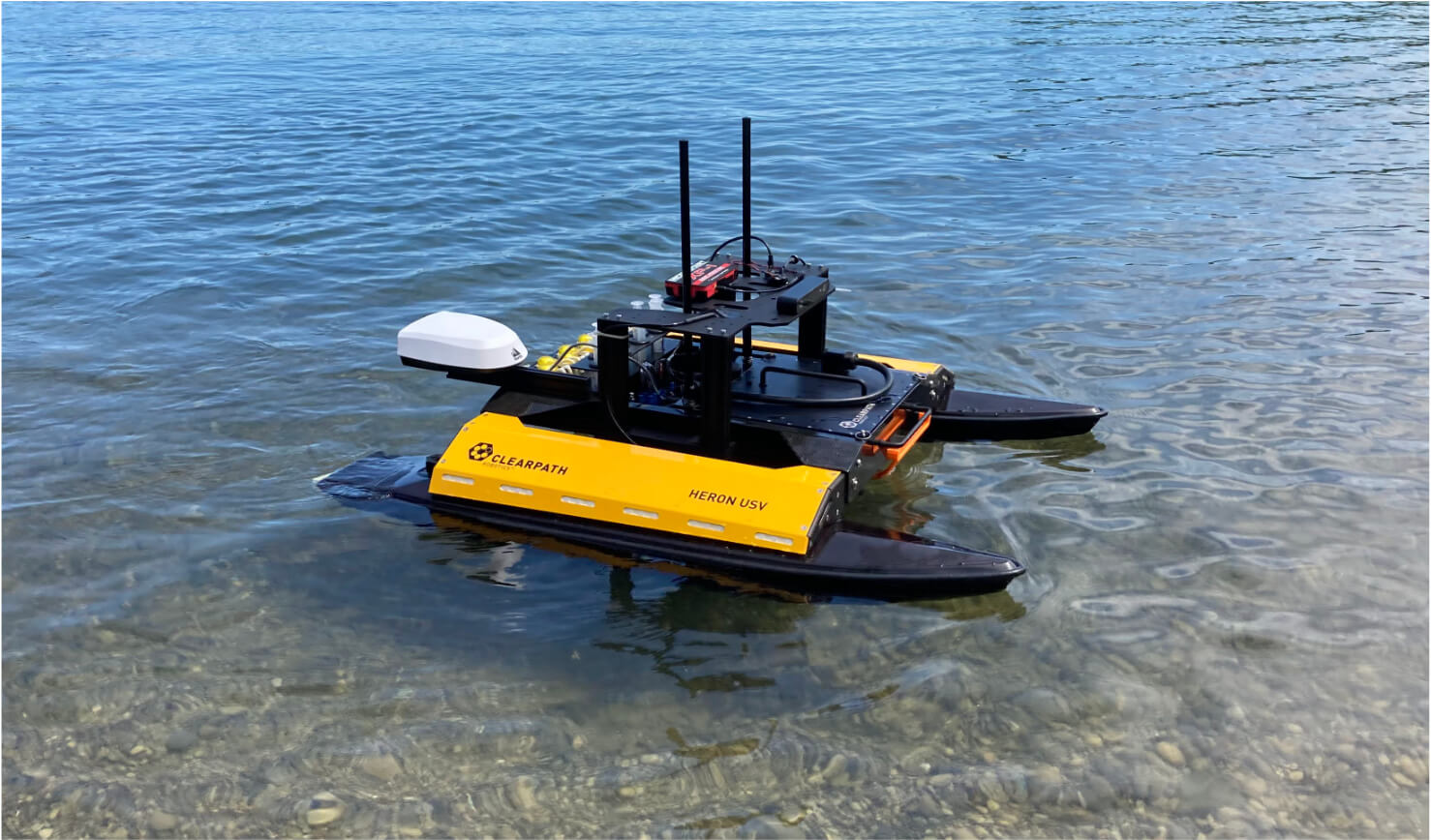
With the vision to automate environmental monitoring, I worked on a retrofitted Clearpath Heron autonomous surface vehicle. I generated satellite-informed water masks of numerous Canadian lakes using Python, evaluated our novel route-planning algorithm against baselines, and created a GUI using ROS and ReactJS to track the robot in real-time at field tests.

View Publication
View Project
View Website
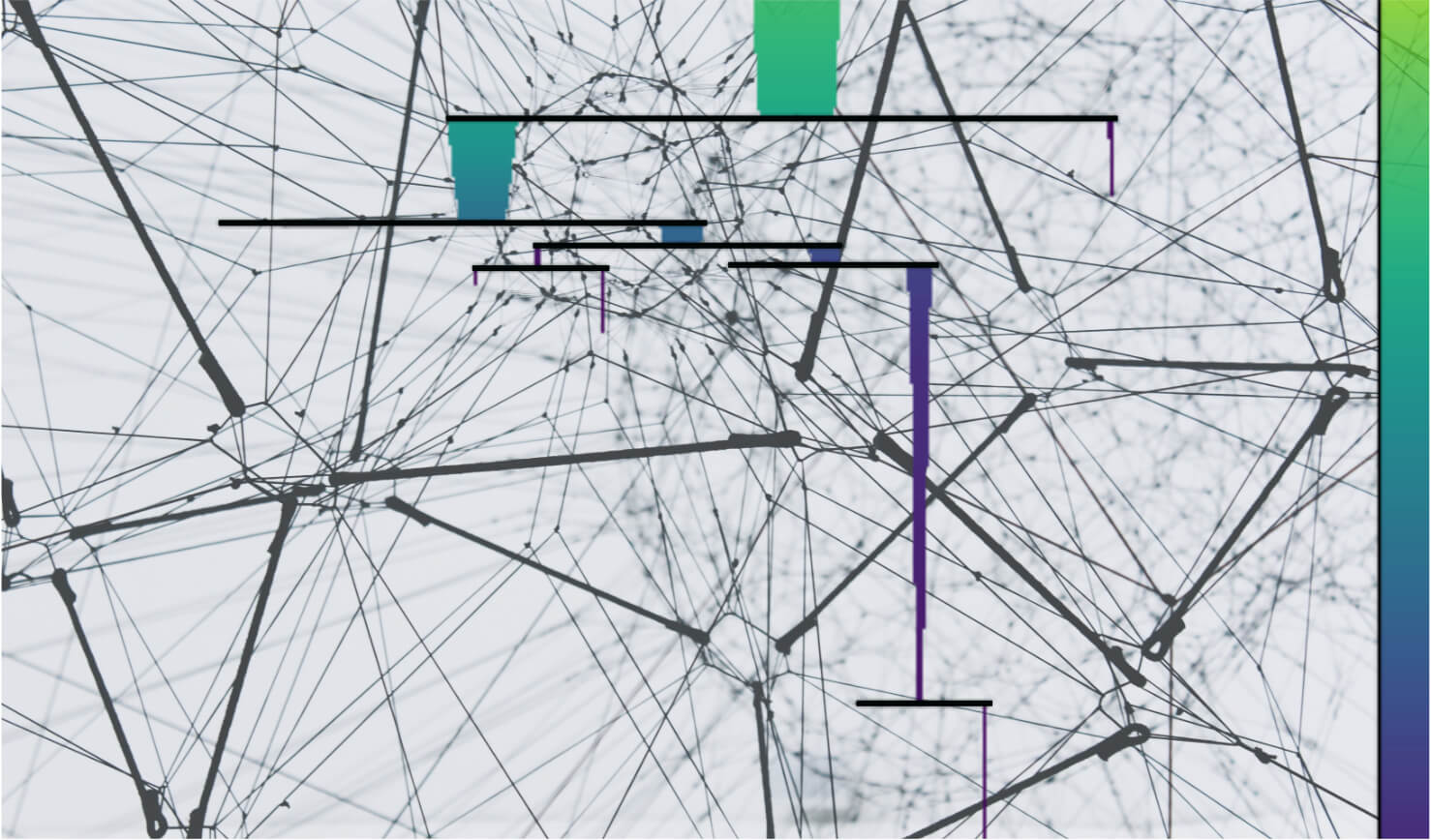
Kickstarting the discovery of how collaborating on stackoverflow.com can organize computer science knowledge, I optimized parameters for hierarchical density-based clustering of Stack Overflow posts. I increased precision by 11.1% and presented my results at the U of T UnERD conference.

View Conference Presentation
View Project